Feed Corn
We have much to learn from intact or even partially-intact subsistence food systems.
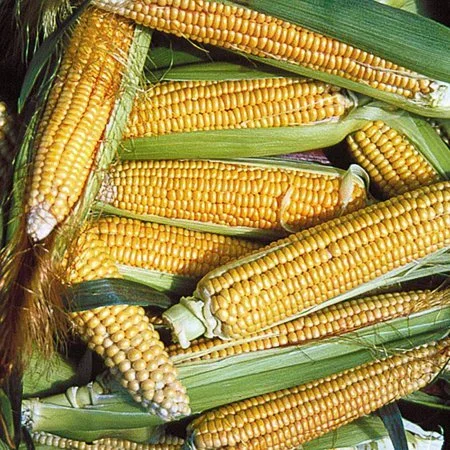
We saw in Portugal many small corn patches, mostly very much less than an acre, and corn cribs made of stone standing alone on tall stone legs topped with wide, stone capitals like caps on mushrooms. Set apart like this, and with the wide overhang of the capitals, the corn cribs would have been inaccessible to hungry rodents, had there been any, but most of the bins were empty. A few were perhaps half full. When we tried to look up Portuguese corn varieties, all we found was a Portuguese seed catalogue offering - would you believe it - Golden Bantam, a dual-purpose variety as American as apple pie. Still, it may have been the corn we were seeing: short stalks under five feet, and the ears in the cribs were small, deep yellow, and very well filled.
We often saw small flocks of chickens - the largest may have included 30 variously assembled birds - and once we saw a woman shelling corn by hand into a bucket, seemingly for chicken feed. Likely, also, some of the corn was fed to the pigs we occasionally saw, two running to investigate us as we passed their (much abused) field, and one more on a cradle, its still-warm skin scorched golden by bundles of flaming brush and scraped quite clean of bristles.
Small corn patches, small corn cribs, to feed the small flocks of birds, and hogs just one or two together; at this scale, food, and the ongoing fertility necessary to keep the food coming, can both receive adequate consideration.